
Tracing the historical evolution of gambling practices through time
The Origins of Gambling
Gambling practices can be traced back to ancient civilizations, where games of chance were often intertwined with religious and cultural rituals. Archaeological findings suggest that as early as 3000 BC, the Chinese were playing games that involved dice, a basic form of gambling. Similarly, the Romans incorporated gambling into their daily lives, engaging in betting on chariot races and gladiatorial contests. These early forms of gambling laid the groundwork for more structured systems that would develop in later centuries. For more information on modern practices, you can visit https://amnestysaskatchewan.ca/.
In ancient Greece, gambling became a more formalized activity, with various games, such as dice and betting on sports, becoming widely popular. Citizens often wagered on athletic competitions during the Olympic Games, showcasing not only their competitive spirit but also their willingness to risk personal wealth for the thrill of victory. These early practices were not merely seen as recreational; they reflected societal values surrounding competition, skill, and chance.
Throughout the Middle Ages, gambling continued to evolve, particularly in Europe, where card games gained popularity. The introduction of playing cards from Asia revolutionized gambling, leading to the establishment of gambling houses and later, casinos. The development of these venues marked a significant turning point in gambling history, as they provided a dedicated space for wagering and entertainment, setting the stage for modern gambling practices.
The Rise of Modern Gambling
The 17th century marked a significant shift in gambling practices with the establishment of state-sanctioned lotteries across Europe. Governments began to recognize the financial benefits of organized gambling, using it as a means to fund public projects and services. The popularity of lotteries quickly spread, leading to the creation of various forms of gambling that appealed to different social classes, including high-stakes games played by the elite.
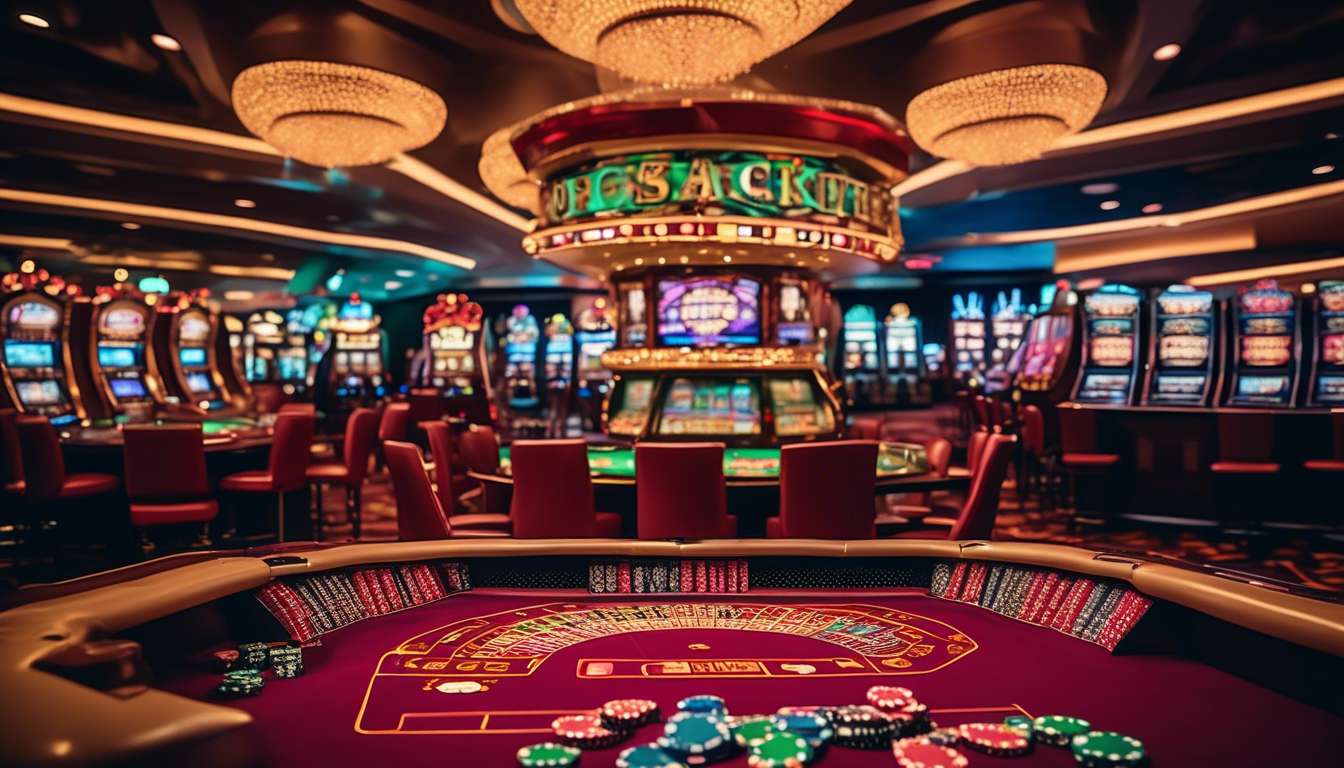
In the 19th century, the emergence of gambling establishments in cities like Monte Carlo and Las Vegas signified the formalization of gambling into a commercial enterprise. These casinos offered a wide range of games, attracting tourists and locals alike. The opulent environments of these venues transformed gambling into a glamorous activity, often associated with luxury and escapism. This era also saw the birth of gambling legislation, which aimed to regulate the industry and protect players.
The invention of the slot machine in the late 19th century further changed the landscape of gambling. This simple yet captivating machine allowed people to engage in gaming without the need for extensive knowledge of rules or strategies. The accessibility of slot machines contributed to a surge in gambling popularity, making it a pastime enjoyed by the masses rather than a privilege reserved for the wealthy. This laid the foundation for the diverse gambling landscape we see today, including the emerging best bitcoin casino options.
The Impact of Technology on Gambling
The advent of the internet in the late 20th century brought about a revolution in gambling practices. Online casinos emerged, allowing players to engage in games from the comfort of their own homes. This technological shift democratized gambling, providing access to a wider audience and fostering a global gambling culture. Players could now participate in various games, including poker and blackjack, without geographical constraints.
With the rise of cryptocurrency in the 21st century, the gambling industry witnessed yet another transformation. Bitcoin casinos became increasingly popular, offering players anonymity and faster transaction speeds. This innovation not only appealed to tech-savvy individuals but also catered to those seeking privacy in their gambling activities. The integration of blockchain technology enhanced the security and transparency of online gambling, allowing players to enjoy their favorite games with confidence.
Mobile technology further augmented the gambling experience, as smartphones became the primary device for accessing online casinos. Players could now gamble on the go, engaging in live dealer games and mobile slots whenever and wherever they chose. This convenience has led to a surge in mobile gambling, prompting operators to adapt their offerings to meet the demands of a mobile-centric audience.
The Social and Economic Implications of Gambling
As gambling practices have evolved, so too have the social attitudes surrounding them. In many cultures, gambling has been viewed as a vice, associated with addiction and social issues. However, other societies have embraced gambling as a legitimate form of entertainment and even a source of revenue for local governments. This dichotomy highlights the complex relationship between gambling and societal values, where perceptions can vary dramatically from one culture to another.
The economic impact of gambling is substantial, contributing billions to global economies through taxation, tourism, and job creation. In regions where gambling is legalized, it often serves as a significant source of revenue, funding public services and infrastructure projects. However, this economic boost can come at a cost, as communities may face challenges related to gambling addiction and its associated social problems.
Efforts to promote responsible gambling have become increasingly important as the industry continues to grow. Many jurisdictions have implemented measures to protect consumers, including self-exclusion programs and educational campaigns. These initiatives aim to balance the economic benefits of gambling with the need for public safety and awareness, ensuring that gambling remains a fun and enjoyable pastime rather than a harmful addiction.
Exploring Modern Gambling Trends
Today, the landscape of gambling is more diverse than ever, reflecting a blend of traditional practices and modern innovations. The rise of live dealer games has bridged the gap between online and land-based casinos, providing players with a real-time gaming experience that captures the thrill of being in a physical casino. This trend has helped to enhance player engagement, making online gambling more interactive and social.
Moreover, the emergence of gamification in online gambling is reshaping the way players interact with their favorite games. By incorporating elements such as rewards, challenges, and leaderboards, casinos are creating more immersive experiences that encourage players to participate actively. This shift is particularly appealing to younger audiences who seek entertainment beyond mere gambling.
The use of artificial intelligence and data analytics is also on the rise within the gambling industry. Operators utilize these technologies to personalize marketing strategies, predict player behavior, and enhance customer service. This data-driven approach not only improves player satisfaction but also helps casinos to optimize their operations, ensuring a more sustainable future for the industry.

Conclusion and Resources
Understanding the historical evolution of gambling practices provides valuable insights into the current state of the industry. From ancient rituals to modern technologies, gambling has continually adapted to societal changes and technological advancements. As the landscape continues to evolve, the interplay between tradition and innovation remains a defining characteristic of gambling.
For those interested in diving deeper into the world of gambling, especially in the context of modern practices such as cryptocurrency casinos, our website offers comprehensive guides and reviews. We strive to empower players by providing information on the best bitcoin casinos, highlighting their features, bonuses, and user experiences. Whether you’re a seasoned gambler or new to the scene, our resources will help you navigate the ever-changing world of gambling with confidence.
