
The hidden psychology behind gambling behavior and its effects on decision-making
Understanding the Psychology of Gambling
The psychology behind gambling is complex and multifaceted, often rooted in emotional and cognitive factors that drive individuals to gamble. Many gamblers experience a rush of excitement and anticipation, influenced by the thrill of winning and the hope of achieving a desired outcome. This emotional high can create a psychological dependency, where the urge to gamble overshadows rational decision-making. For many, gambling is not merely a game of chance but an avenue for escapism and a means to cope with stress or boredom. A great example of entertainment that can be enjoyed aside from traditional forms is Pikashow, which offers diverse streaming options.
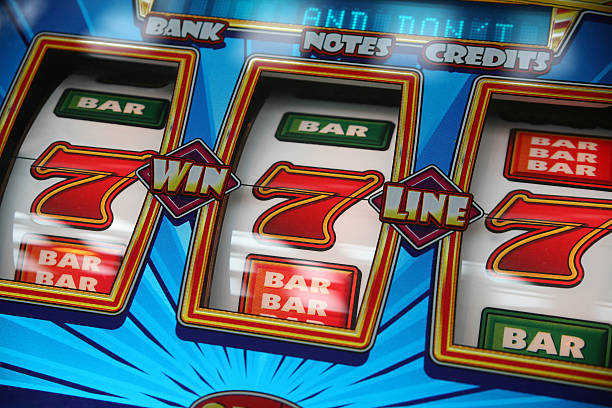
Moreover, cognitive biases play a significant role in gambling behavior. Gamblers often exhibit the “illusion of control,” believing they can influence the outcome of games purely based on skill rather than chance. This belief can lead to a pattern of repeated gambling, as individuals convince themselves that their strategies will yield positive results. The reinforcement of these beliefs can create a feedback loop, causing gamblers to persist even in the face of losses, thereby impacting their financial and emotional stability.
Additionally, social influences cannot be overlooked. The environment surrounding gambling activities, such as casinos or sports betting arenas, is designed to encourage participation and enhance the thrill of the experience. Social interaction, peer pressure, and the normalization of gambling within certain groups can further drive individuals toward gambling behaviors, making it a collective experience that shapes decision-making processes.
The Role of Emotion in Gambling Decisions
Emotions significantly influence decision-making in gambling, often leading to irrational choices. The highs of winning can trigger feelings of euphoria, while losses may elicit frustration and desperation. This emotional rollercoaster affects how gamblers approach subsequent bets, sometimes leading them to chase their losses. Chasing losses is a common behavior, where individuals believe they must continue gambling to recover what they have lost, often leading to even greater financial detriment.
Furthermore, the state of mind in which an individual approaches gambling can alter their decision-making ability. Stress, anxiety, or even excitement can cloud judgment, pushing individuals toward impulsive behavior. For example, someone who has had a rough day may turn to gambling as a means of relief, making hasty decisions without fully considering the consequences. This emphasizes the need for individuals to recognize their emotional states and how these states can impact their gambling choices.
Another important emotional aspect is the fear of missing out (FOMO). When gamblers see others winning or hear about big jackpots, they may feel compelled to participate, even if the odds are against them. This emotional pressure can lead to snap decisions that are not based on rational assessment but on the desire to be part of a winning moment. Understanding these emotional triggers can aid individuals in making more informed decisions and help mitigate the risks associated with gambling.
The Impact of Cognitive Biases on Gambling Behavior
Cognitive biases significantly shape gambling behavior, often skewing a player’s understanding of risk and reward. One common bias is the “gambler’s fallacy,” where individuals believe that past events influence future outcomes in games of chance. For instance, a gambler might think that after a series of losses, a win is “due.” This misunderstanding of probability can lead to ill-informed betting strategies and increased losses, as players fail to recognize that each event is independent of prior results.
Another prevalent cognitive bias is the “hot hand fallacy,” where individuals believe that a person on a winning streak is likely to continue winning. This belief can prompt players to increase their bets based on a false sense of security. Such biases highlight the disconnect between perception and reality in gambling, emphasizing the importance of understanding how cognitive processes can mislead decision-making.
Moreover, availability heuristic plays a role in how gamblers perceive their experiences. When players frequently recall their wins or hear about others’ successes, they may overestimate the likelihood of winning. This skewed perception can drive continued gambling, as the memory of wins overshadows the reality of losses. Recognizing these cognitive biases is crucial for gamblers who wish to make rational decisions and avoid the traps of illusory patterns.
The Long-Term Effects of Gambling on Decision-Making
The long-term effects of gambling extend beyond immediate financial loss, influencing broader decision-making patterns in an individual’s life. Chronic gamblers may develop compulsive behaviors that affect their personal relationships, work life, and overall mental health. The pursuit of gambling can overshadow other responsibilities, leading to neglect in areas such as family and career, which can create a cycle of stress and emotional distress.
Additionally, the financial consequences of gambling can lead to poor decision-making in financial matters. Individuals may find themselves in debt, leading to desperate measures that further complicate their lives. This pattern of risk-taking can extend to other areas, as habitual gamblers may develop a propensity for taking unnecessary risks in investments or other significant life choices, illustrating how gambling behaviors can spill over into broader aspects of life.
Furthermore, the social stigma attached to gambling can lead to isolation. Gamblers may choose to hide their activities from friends and family, leading to a breakdown in support systems that could help them make better decisions. The lack of open communication can result in a sense of loneliness, exacerbating the psychological effects of gambling. Understanding these long-term ramifications is essential for developing strategies to counteract negative decision-making and promote healthier behaviors.
Exploring Future Trends in Gambling Behavior
As technology evolves, the landscape of gambling continues to change, influencing behaviors and decision-making processes. The rise of online gambling platforms and mobile apps has made gambling more accessible than ever. While this convenience can provide entertainment, it also increases the potential for impulsive decisions, as individuals can gamble from anywhere at any time. The ease of access may blur the lines between casual gambling and compulsive behavior, requiring individuals to remain vigilant about their habits.
Moreover, data analytics and AI are being integrated into gambling platforms, personalizing experiences based on individual behavior. These technologies can heighten engagement but also pose risks as they may exploit cognitive biases to encourage more spending. As algorithms predict and respond to user behavior, it becomes crucial for gamblers to be aware of how these tools can impact their decision-making processes.
Lastly, the ongoing conversation around responsible gambling initiatives is essential for shaping future trends. Awareness campaigns and resources aimed at educating gamblers about the psychological aspects of their behavior can help promote healthier practices. As the industry evolves, fostering a culture of responsibility and understanding is vital to mitigating the adverse effects of gambling on decision-making.
